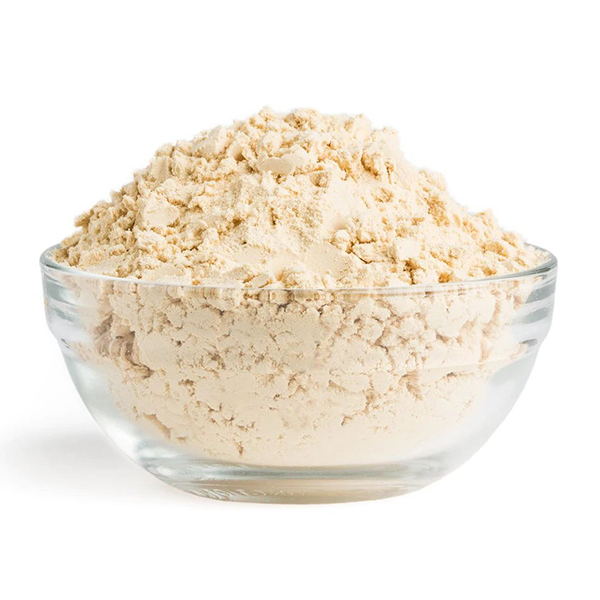
Pea peptide
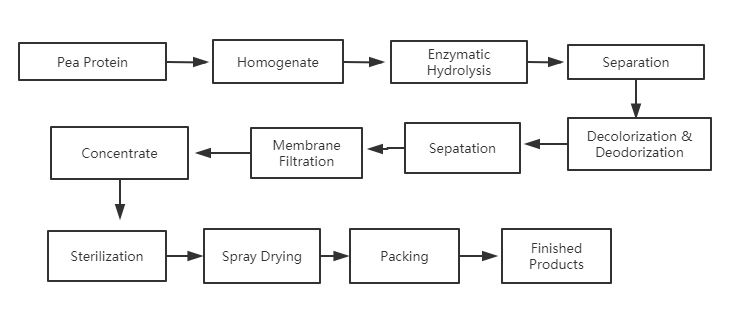
Flow Chart
Application
Dietary supplement
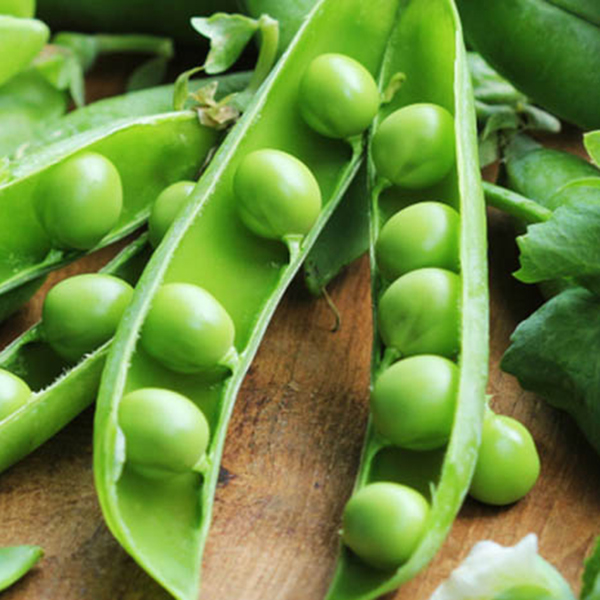
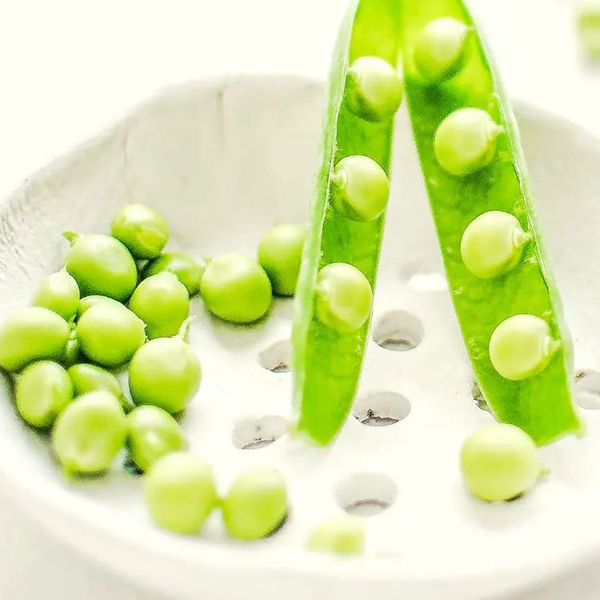
The nutritional qualities contained in pea proteins can be used to supplement people with certain deficiencies, or people seeking to enrich their diet with nutrients. Peas are an excellent source of proteins, carbohydrates, dietary fibre, minerals, vitamins, and phytochemicals. For example, pea protein can balance iron intake as it is high in iron.
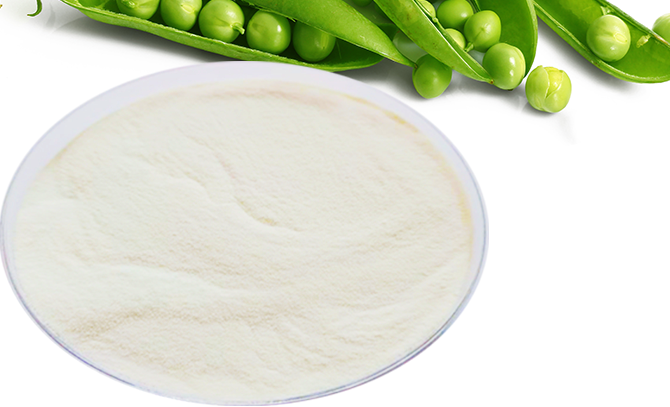
Dietary substitute.
Pea protein can be used as a protein substitute for those who cannot consume other sources as it is not derived from any of the most common allergenic foods (wheat, peanuts, eggs, soy, fish, shellfish, tree nuts, and milk). It may be used in baked goods or other cooking applications to replace common allergens. It is also processed industrially to form food products and alternative proteins such as alternative meat products, and non-dairy products. Manufacturers of alternatives include Ripple Foods, who produce a dairy alternative pea milk. Pea protein is also meat-alternatives.
Functional ingredient
Pea protein is also used as a low-cost functional ingredient in food manufacturing to improve the nutritional value and texture of food products. They can also optimize the viscosity, emulsification, gelation, stability, or fat-binding properties of food. For example, The capacity of pea protein to form stable foams is an important property in cakes, souffles, whipped toppings, fudges, etc.
Amino Acid Content List
|
NO. |
AMINO ACID CONTENT |
Test results (g/100g) |
|
1 |
Aspartic acid |
14.309 |
|
2 |
Glutamic acid |
20.074 |
|
3 |
Serine |
3.455 |
|
4 |
Histidine |
1.974 |
|
5 |
Glycine |
3.436 |
|
6 |
Threonine |
2.821 |
|
7 |
Arginine |
6.769 |
|
8 |
Alanine |
0.014 |
|
0 |
Tyrosine |
1.566 |
|
10 |
Cystine |
0.013 |
|
11 |
Valine |
4.588 |
|
12 |
Methionine |
0.328 |
|
13 |
Phenylalanine |
4.839 |
|
14 |
Isoleucine |
0.499 |
|
15 |
Leucine |
6.486 |
|
16 |
Lysine |
6.663 |
|
17 |
Proline |
4.025 |
|
18 |
Tryptophane |
4.021 |
|
Subtotal: |
85.880 |
|
Average Molecular Weight
Test method: GB/T 22492-2008
|
Molecular weight range |
Peak area percentage |
Number average molecular weight |
Weight average molecular weight |
|
>5000 |
0.23 |
5743 |
5871 |
|
5000-3000 |
1.41 |
3666 |
3744 |
|
3000-2000 |
2.62 |
2380 |
2412 |
|
2000-1000 |
9.56 |
1296 |
1349 |
|
1000-500 |
23.29 |
656 |
683 |
|
500-180 |
46.97 |
277 |
301 |
|
<180 |
15.92 |
/ |
/ |
| Iterms | Standard | Test based on | ||
| Organizational form | Uniform powder, soft, no caking | Q/HBJT 0004S-2018 | ||
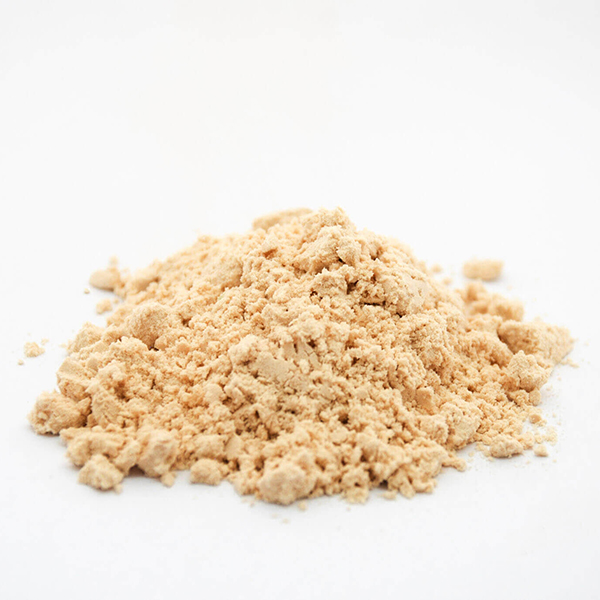
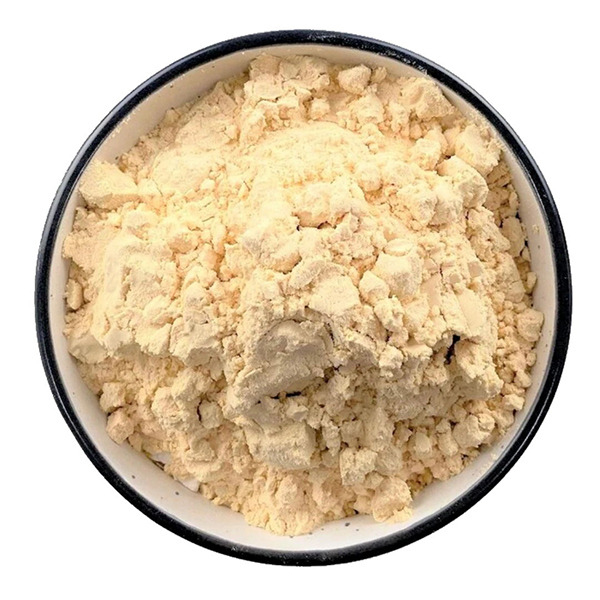
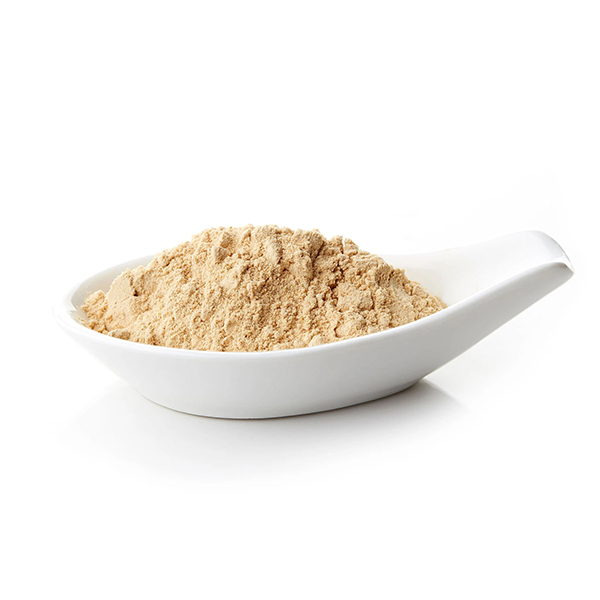
| Color | White or light yellow powder | |||
| Taste and smell | Has the unique taste and smell of this product, no peculiar smell | |||
| Impurity | No visible exogenous impurity | |||
| fineness(g/mL) | 100% through sieve with aperture of 0.250mm | —- | ||
| Protein(% 6.25) | ≥80.0( Dry basis) | GB 5009.5 | ||
| peptide content (%) | ≥70.0( Dry basis) | GB/T22492 | ||
| Moisture(%) | ≤7.0 | GB 5009.3 | ||
| Ash(%) | ≤7.0 | GB 5009.4 | ||
| pH value | —- | —- | ||
| Heavy Metals(mg/kg) | (Pb)* | ≤0.40 | GB 5009.12 | |
| (Hg)* | ≤0.02 | GB 5009.17 | ||
| (Cd)* | ≤0.20 | GB 5009.15 | ||
| Total Bacterias(CFU/g) | CFU/g ,n=5,c=2,m=104, M=5×10⁵; | GB 4789.2 | ||
| Coliforms(MPN/g) | CFU/g, n=5,c=1,m=10, M=102 | GB 4789.3 | ||
| Pathogenic bacteria (Salmonella, Shigella, Vibrio parahaemolyticus, Staphylococcus aureus) * | Negative | GB 4789.4、GB 4789.10 | ||
Flow Chart For Pea Peptide Production
Supplement
The nutritional qualities contained in pea proteins can be used to supplement people with certain deficiencies, or people seeking to enrich their diet with nutrients. Peas are an excellent source of proteins, carbohydrates, dietary fibre, minerals, vitamins, and phytochemicals. For example, pea protein can balance iron intake as it is high in iron.
Dietary substitute.
Pea protein can be used as a protein substitute for those who cannot consume other sources as it is not derived from any of the most common allergenic foods (wheat, peanuts, eggs, soy, fish, shellfish, tree nuts, and milk). It may be used in baked goods or other cooking applications to replace common allergens. It is also processed industrially to form food products and alternative proteins such as alternative meat products, and non-dairy products. Manufacturers of alternatives include Ripple Foods, who produce a dairy alternative pea milk. Pea protein is also meat-alternatives.
Functional ingredient
Pea protein is also used as a low-cost functional ingredient in food manufacturing to improve the nutritional value and texture of food products. They can also optimize the viscosity, emulsification, gelation, stability, or fat-binding properties of food. For example, The capacity of pea protein to form stable foams is an important property in cakes, souffles, whipped toppings, fudges, etc.
with pallet:
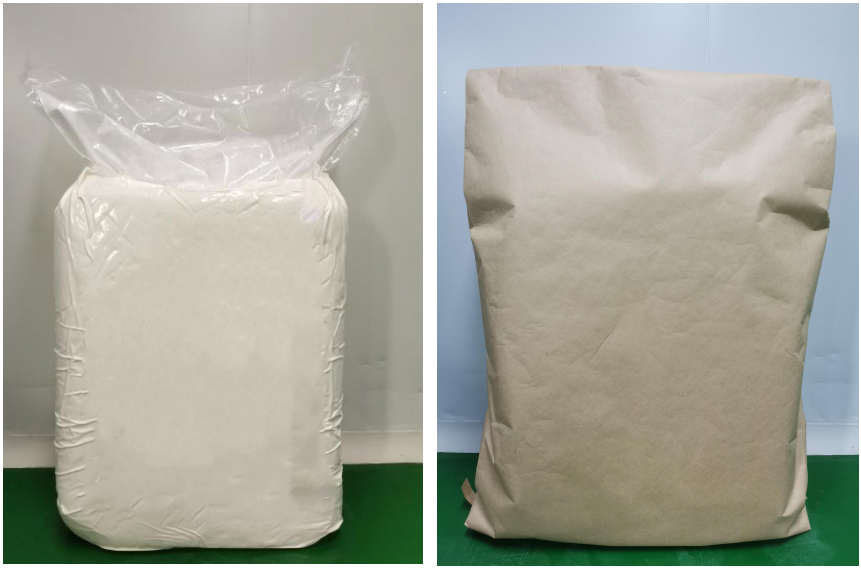
10kg/bag, poly bag inner, kraft bag outer;
28bags/pallet, 280kgs/pallet,
2800kgs/20ft container, 10pallets/20ft container,
without Pallet:
10kg/bag, poly bag inner, kraft bag outer;
4500kgs/20ft container
Transport & Storage
Transport
The means of transportation must be clean, hygienic, free of odor and pollution;
The transportation must be protected from rain, moisture, and exposure to sunlight.
It is strictly forbidden to mix and transport with toxic, harmful, peculiar smell, and easily polluted items.
Storage condition
The product should be stored in a clean, ventilated, moisture-proof, rodent-proof, and odor-free warehouse.
There should be a certain gap when food is stored, the partition wall should be off the ground,
It is strictly forbidden to mix with toxic, harmful, odorous, or pollutant items.